
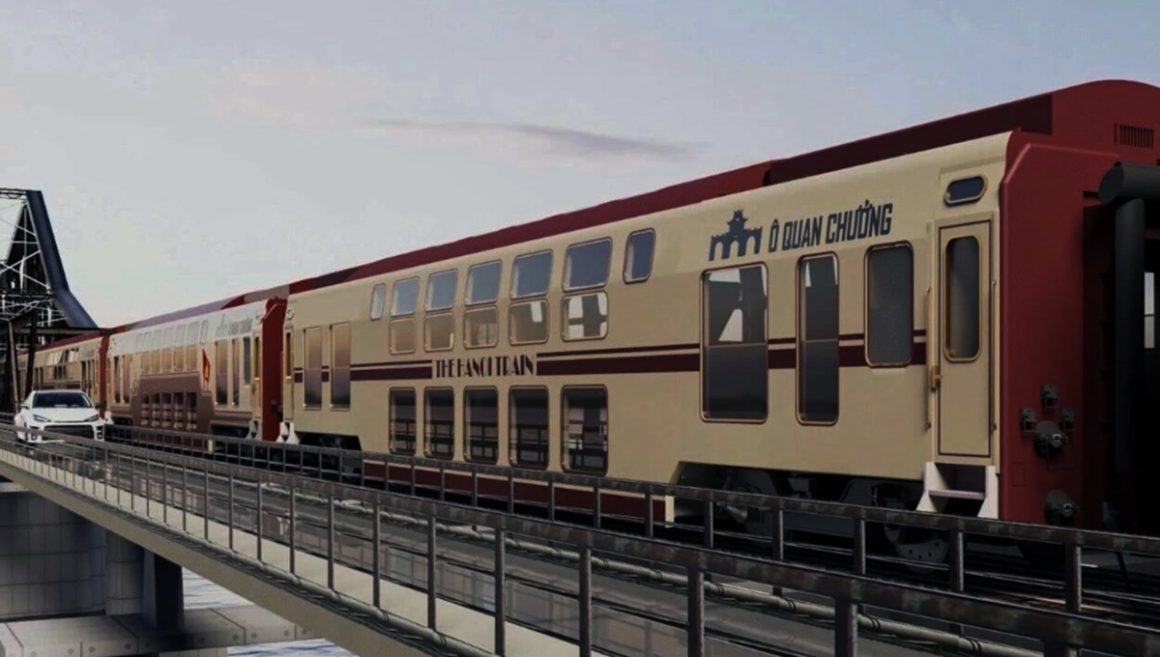
The Hanoi train an iconic symbol of Vietnam rich history and cultural heritage offers unique glimpse into the nation’s past and present. Running through the bustling streets of Hanoi, this railway line has played a vital role in connecting communities, facilitating trade, and shaping the urban landscape of the capital city.
Constructed during French colonial period in the late 19th and early 20th centuries, the train served as a crucial transportation link for goods and passengers. Its development marked a significant milestone Vietnam’s modernization efforts, enabling more efficient movement across regions and fostering growth. Over time, the railway expanded, intertwining with Hanoi’s urban fabric and becoming integral part of daily life for residents and visitors alike.
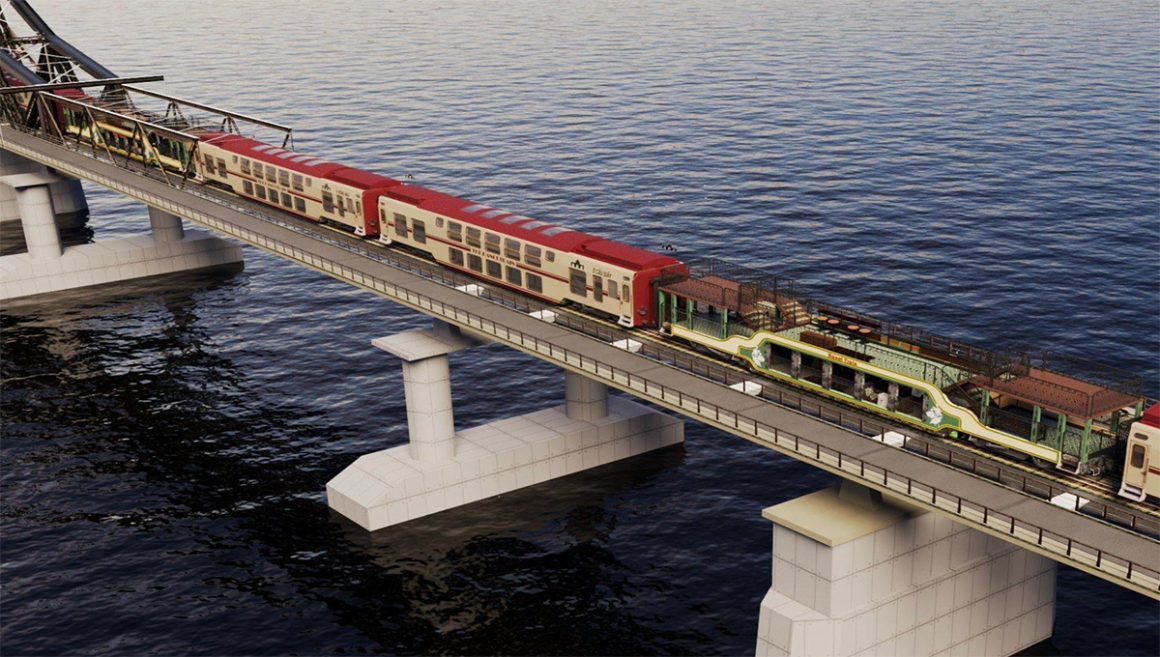
The Hanoi train continues to operate as both functional transportation system a cultural attraction Commuters rely on routes daily, while tourists are drawn to its scenic journeys that reveal the diverse landscapes surrounding the city. The stations, some dating back to colonial times, stand historical that embody Hanoi layered history. These sites often serve as gateways to exploring Vietnam’s colonial architecture and its enduring legacy.

One the most notable of the Hanoi train is its picturesque route along the Red River Delta. Travelers can enjoy views of lush rice paddies, traditional villages, and vibrant from their windows. The rhythmic chging of the locomotive creates nostalgic atmosphere that transports passengers back in,oking memories of era rail was its.

Despite modern in transportation infrastructure efforts have been made to preserve the and significance of the Hanoi train. Initiatives aimed at maintaining historic stations and promoting railway have gained momentum. Special scenic train rides are occasionally organized for enthusiasts eager to experience Vietnam’s countryside from a different perspectiveIn conclusion, the Hanoi train is than just a mode of transportation; it is living testament to’s evolution and cultural identity. As it continues to serve both needs and nostalgic, remains an enduring symbol of Hanoi’s resilience and progress. Whether viewed through its historical importance or its scenic routes, the train a timeless connection between tradition and modernity within Vietnam’s vibrant capital city.
THE HANOI TRAIN – SCHEDULE AND PRICES
Scenic Train Journey from City to Countryside
Departure Point: Hanoi Railway Station
Travel Route: The train crosses the historic Long Biên Bridge, follows the Red River’s winding banks, and passes through peaceful villages and rice paddies before arriving at Từ Sơn Station in Bac Ninh.
Travel Time: About 2 hours and a half – plenty of time to relax, take photos, and enjoy the entertainment.
Half the joy is in the scenery. One moment you’re gliding past bustling city streets, the next you’re surrounded by quiet fields, bamboo groves, and water buffalo grazing by the riverbanks.
DAILY DEPARTURE TIMES:
The Hanoi Train operates two departures daily. Round-trip journey.
Morning: 8:00 AM – ideal for sightseeing upon arrival in Bac Ninh. Return Hanoi station at 11:30 AM
Afternoon: 13:30 PM – a golden hour ride with warm countryside light. Return Hanoi station at 17:00 PM